Emergency Plumbing in Charlestown
Toilet Overflowing in Charlestown
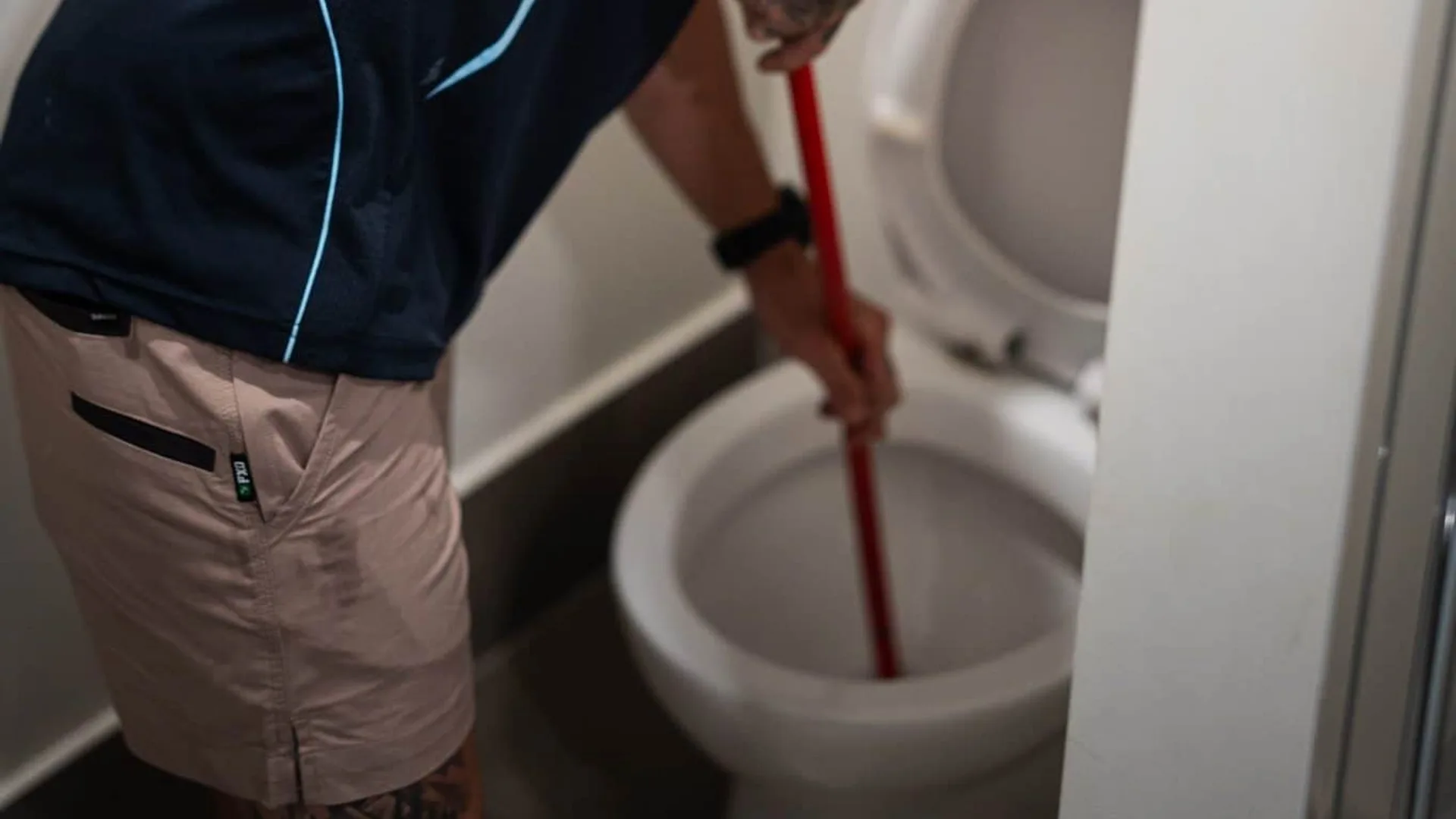
A toilet that keeps rising after the flush, or one coming up from the pan when nobody has used it, needs fast decisions. This page covers why it happens, what you can safely do in the first five minutes, and how we get it sorted as part of emergency plumbing across Charlestown.
When a rising bowl is a real emergency
Water at the rim of the pan means the bowl has nowhere to send the next flush, and very little extra will spill it onto the floor. Sewage on a bathroom floor is a health problem as well as a plumbing one, so treat it as urgent the moment it starts.
- Water rising in the pan on its own, with no flush, usually means the drain behind it is full and backing up
- Overflowing after every flush but settling between times points at a partial blockage in the branch line
- Sewerage surfacing in the shower or the laundry gully as well means the main is involved, and the whole house is effectively out of action
That last one, where more than one fixture starts rising together, is the clearest signal the blockage sits downstream in the main rather than in the toilet itself. Either way, ring (02) 4063 3450 and we'll talk you through it.
Why toilets overflow, least expensive fix first
The cause decides the cost, so we work down this list in order before touching anything major. Plenty of overflows end up being a small fault, and there's no reason to pay for a drain job if the problem is a sticky valve.
Cistern valve stuck open
The fill valve sticks open and lets water past the overflow tube, so the pan floods while the drain itself is fine. It's usually a small repair at the cistern.
Flush seal gone soft
A worn flush seal lets water sneak into the bowl, and when the drain runs slow the pan can fill faster than it empties. A washer swap sorts it cheaply.
Something stuck in the trap
Too much paper, a nappy or a toy lands in the trap and the bowl backs up straight away. A closet auger clears most of these in minutes, no digging.
The main behind it is full
Where the toilet is the lowest fixture, a full main backs up through the pan first. Much of this suburb still sits on earthenware drains from the 1959 sewer rollout.
That last cause is where local history matters. An overflow that repeats is rarely bad luck. It's usually old clay joints under the yard doing what they do, especially in the postwar streets off the old colliery land where the whole suburb got its sewer at once.
Checks you can make before ringing
A couple of minutes with the right valve can save the floor and narrow the fault down before we arrive. None of this needs tools, and none of it makes the problem worse.
- Turn the small tap on the toilet's inlet valve clockwise to stop water filling the cistern. It sits on the wall or floor behind the pan.
- Lift the cistern lid and check the water level. Water running into the overflow tube points at the valve, not the drain.
- Once the cistern is isolated, try one controlled flush with a bucket. If the bowl rises straight away, stop; the blockage is downstream.
- Check whether the shower or laundry gully is gurgling or rising too. If yes, keep off every drain and wait for us.
Don't keep flushing to test it, and don't pour supermarket chemicals into a full pan. They sit against a blocked trap, can splash back when we plunge or jet, and they never touch a root mass or a cracked clay joint anyway.
Do not wait on this
When to ring us
Any overflow you can't isolate at the inlet valve is a ring-now job, because the water keeps coming until the fault is found.
- Sewage reaching the bathroom floor, or more than one fixture rising together
- A toilet flooding a bathroom where kids or elderly family live
- An overflow in an upper-floor unit near Charlestown Square, where a shared stack can push the problem into the units below
On that last one, a call beats a note to the body corporate. Same-day attendance where the schedule allows, and after-hours calls get talked through on the phone so nothing gets worse while you wait.
What we do on an overflowing toilet call
Every emergency job runs the same four steps, so you know the sequence before we've even hung up.
- 1
Call and tell us
Ring (02) 4063 3450 and tell us what's going on in Charlestown. We'll ask a few quick questions so the right gear is on the truck the first time.
- 2
Quote before work
You get the price before anything starts. No call-out fee and no hourly surprises: you approve the quote or we shake hands and leave, no charge.
- 3
Find the cause and clear it
We isolate the fixture, clear the trap or jet the line as the fault demands, and camera the drain where the blockage pattern points at the old clay pipes underneath. A repeat offender on a Frederick Street or Dudley Road frontage usually tells its own story.
- 4
Backed, no questions asked
If something isn't up to standard afterwards, we come back and make it right, no questions asked. That's the standard every Charlestown job is held to.
If the camera finds a split clay line rather than a soft blockage, we'll quote the repair honestly on the spot. The drainage work behind it sits on the blocked sewer and blocked drains pages, so you can see how those jobs run.
Why local knowledge matters on this job
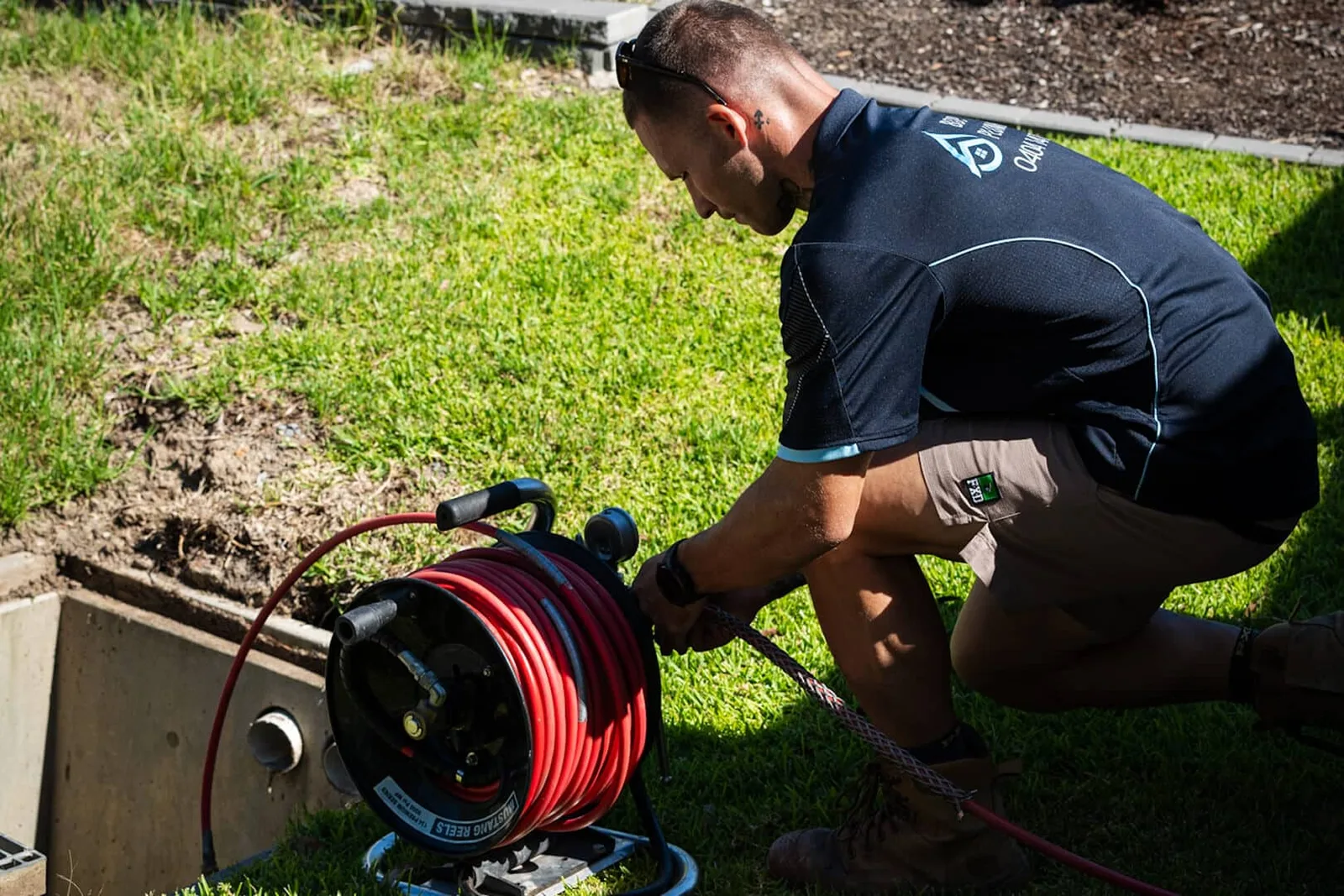
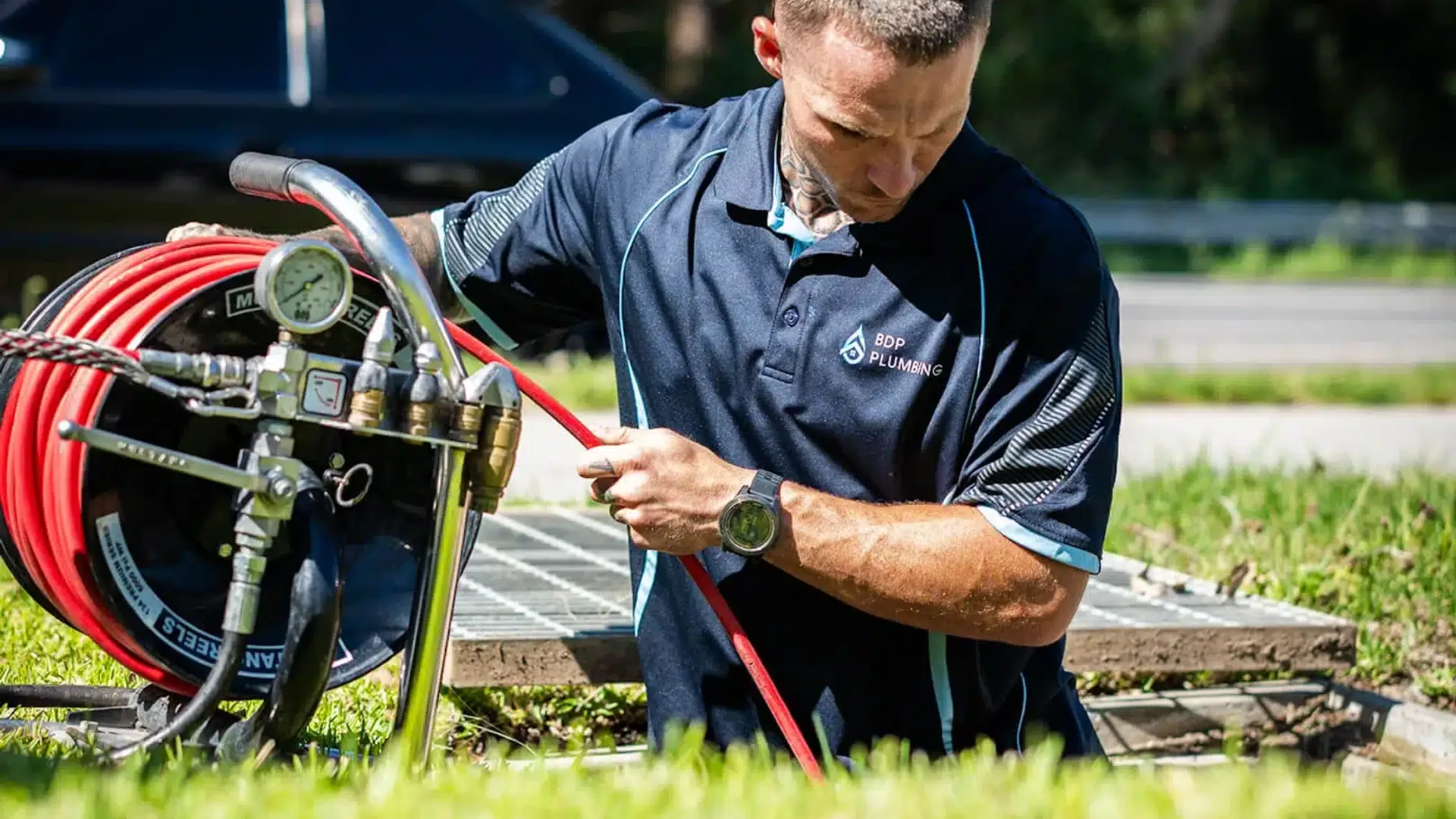
A toilet flooding the bathroom is not the moment for a call centre in another city. We work this suburb and the ones adjoining it every week, and the truck carries the auger, the jetter and the camera, so the cause gets found on the first visit.
Toilet overflow questions, answered
How do I stop a toilet overflowing before you arrive?
Turn the small tap on the toilet's inlet valve clockwise. It usually sits on the wall or floor behind the pan, and it isolates the cistern while the bowl settles.
Is an overflowing toilet always a blocked drain?
No. A stuck inlet valve or soft flapper can flood the pan with nowhere to go, and sometimes the blockage sits in the trap inside the pan itself.
Why do toilets overflow more in older Charlestown houses?
The 1959 sewer rollout left much of the suburb on earthenware house drains, and aged clay joints snag wipes, roots and silt until the branch line backs up through the pan.
Can I clear it with supermarket chemicals?
Leave them on the shelf. Anything caustic sits in a full trap and can splash back during clearing, and it won't shift a root mat or a split clay section anyway.
What if the water coming up is sewerage?
Keep everyone away and let it drain rather than mopping it into other rooms. Sewage on the floor is a health hazard, so we clean the area after clearing the line.
How much does a call out cost?
Nothing. The call out is $0 and you get a clear quote before any work begins. Approve it and we start, or we leave at no charge.
Get an emergency plumber moving now
Call (02) 4063 3450 and tell us what's happening. $0 call out across Charlestown, a clear quote before any work starts, and a job that gets made right if it isn't right the first time.
Plumbers in Charlestown and the suburbs around it