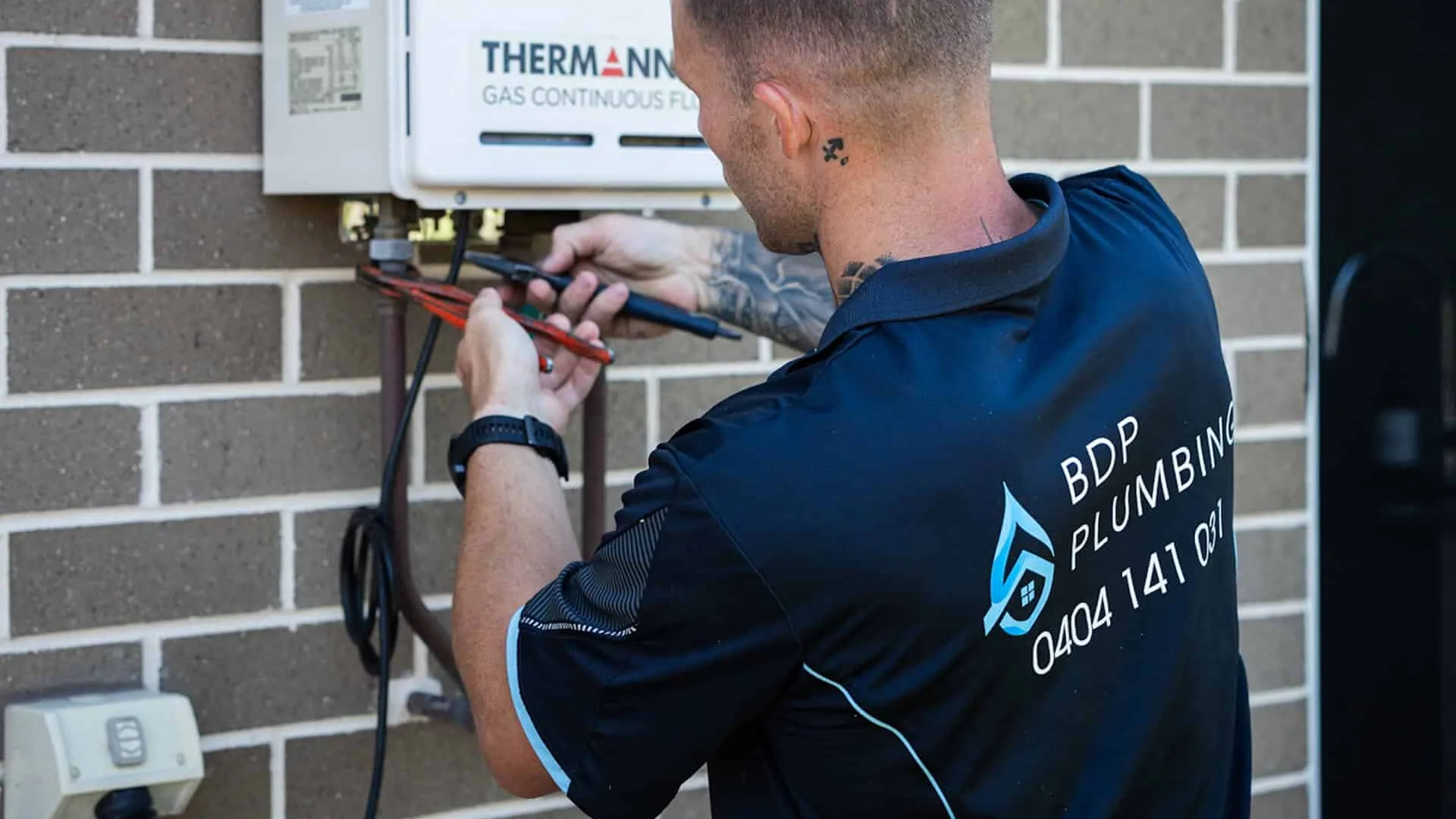
Emergency Plumbing in Charlestown
No Hot Water in Charlestown
No hot water turns a normal morning into a scramble. Cold showers, kettles on the stove, kids late for school, and no obvious reason why the tank gave up overnight.
Plumbers Charlestown treats it as urgent, because it usually is. This page walks you through the likely causes before you ring, and our Charlestown home page covers the full service range if you need the bigger picture.
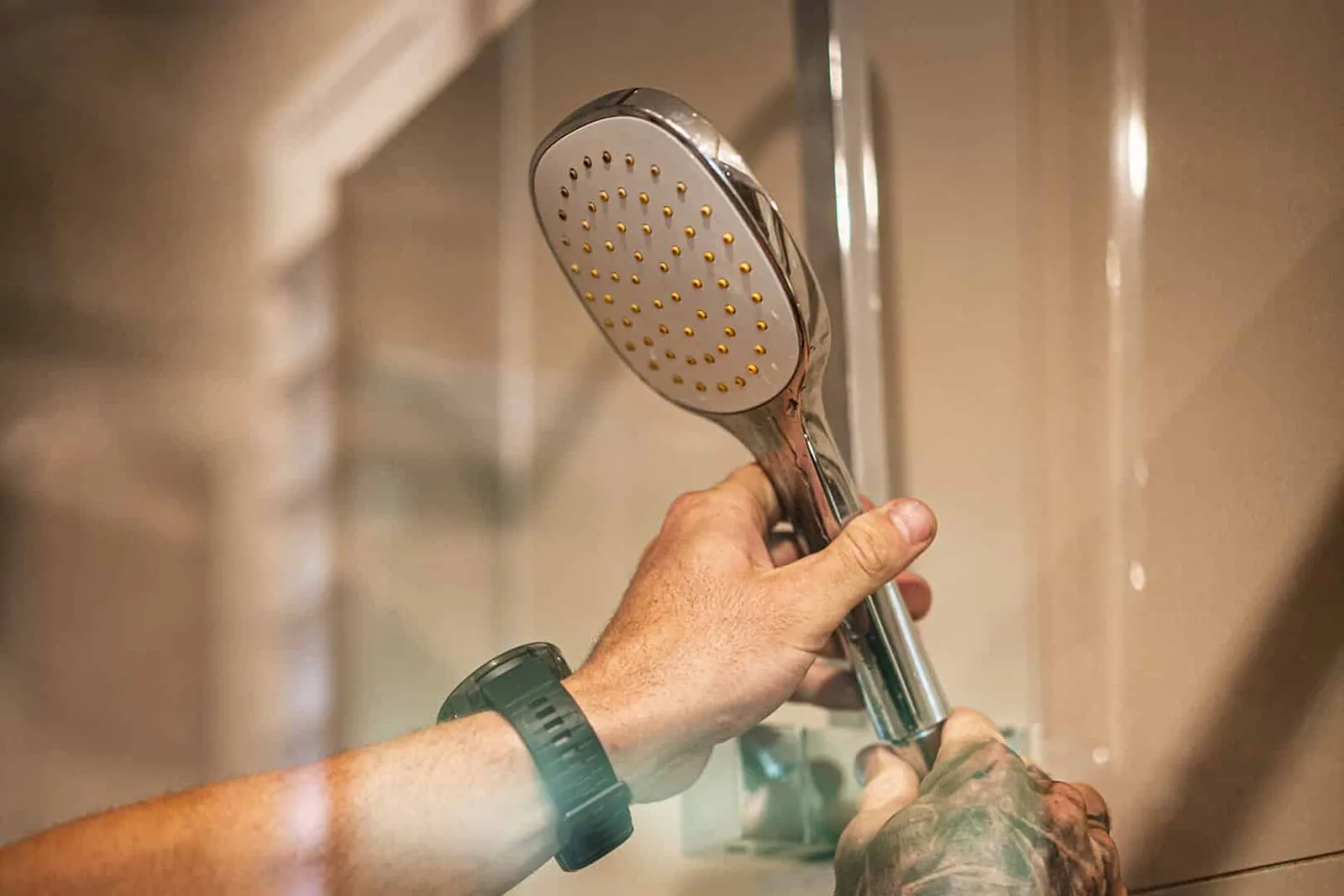
What no hot water actually looks like
It's not always a completely cold tap. These are the versions that get called in most:
- Completely cold at every hot tap in the house, with no warning the day before
- Lukewarm water even on a full setting, or a tank that can't recover between showers
- Hot water lasting one shower before it runs out, then taking hours to come back
- Rusty or discoloured water from the hot side only, which points at the cylinder rather than the supply
Any of these means something in the system has failed or is about to. The fix ranges from a short valve swap to a full tank replacement, and the cause decides which one you need.
The usual culprits, in order of cost
Before anyone talks you into a new tank, it pays to know what actually fails. The low-cost fixes are also the common ones.
Thermostat or element failure
On an electric tank this is the most common fault and the quickest repair. The cylinder underneath is usually still sound, the parts are common, and the job is done in one visit.
Tempering valve stuck
A tempering valve blends cold into the hot line for safety, and when it seizes the taps run lukewarm even though the tank behind it is working perfectly fine.
Pilot light or gas fault
Gas systems go cold when the pilot won't stay lit, the thermocouple dies or the gas valve gives out, and none of those involve a leak anywhere on the system.
Leaking cylinder
Water pooling around the base means the cylinder has split, and no repair fixes that. At that point it's a replacement conversation, and the sooner the better.
Sediment build-up
Older tanks collect mineral sediment on the cylinder floor, which insulates the element, slows recovery a little more each year and makes the tank rumble while heating.
Restricted supply line
A few of the earliest cottages near the old town centre still carry galvanised supply pipe, and rust inside narrows the flow feeding the tank, so a healthy cylinder still underperforms.
What you can safely check first
A few minutes of checking can save you a call-out, or at least give us a head start when you do ring:
Check the power or gas
Run a second tap
Look at the tank
Check other hot appliances
Don't open the tank's covers or touch gas fittings yourself. Everything past that point is licensed work, for good reason.
Do not wait on this
When to ring instead of waiting
Some cold-water situations can wait for a booked visit, and some can't. Ring straight away when:
- Water is actively leaking from the tank or its fittings, because that only ever gets worse
- The system is gas and you can smell gas anywhere near it
- You've got a houseful with no showers working and the school or work run about to start
- The tank is more than dripping and sits somewhere damage-prone, like a laundry cupboard or a courtyard next to the house
A lukewarm system in a quiet week can sit in the booked-work queue. A cylinder leaking onto floorboards cannot, and the emergency run exists for exactly that split.
How we get the hot water back
Four steps, every time, whether it's a dead element or a full tank swap.
- 1
Call and tell us
Ring (02) 4063 3450 and tell us what's going on in Charlestown. We'll ask a few quick questions so the right gear is on the truck the first time.
- 2
Quote before work
You get the price before anything starts. No call-out fee, no hourly surprises: you approve the quote or we shake hands and leave, no charge.
- 3
Diagnose and fix
We test the thermostat, element, valve train and gas components, check the supply feeding the tank, then either repair the fault or quote a replacement on the spot.
- 4
Backed, no questions asked
If something isn't up to standard afterwards, we come back and make it right, no questions asked. That's the standard every Charlestown job is held to.
Why this suburb runs cold in winter
Charlestown sits on a ridgeline, and its winters run a little colder and windier than the coastal suburbs below it. That's when weak tanks show their hand. A cylinder that coasted through autumn quits on the first genuinely cold morning.
The age wave matters too.
Plan beats panic.
Related emergency work
No hot water is one of three emergency call-outs we handle. Burst pipes and overflowing toilets get their own pages, and the emergency plumbing hub explains how the whole after-hours run works.
No hot water questions, answered
Why does my hot water run out faster than it used to?
Sediment collecting on the cylinder floor or a thermostat drifting out of calibration is the usual answer. Both are common in the older tanks around town, and both are often repairable.
How long should a hot water tank last?
It depends on water quality and installation, but the local pattern is telling: the postwar streets replaced their tanks together through the 1990s and 2000s, and that generation is due out now.
Can a gas system run cold without anything leaking?
It can. A pilot that won't hold, a dead thermocouple or a faulty gas valve stops the heating without a drop of water escaping, and we carry the common parts on the truck.
Could the problem be the pipes rather than the tank?
Sometimes. A few of the oldest cottages and highway shopfronts still run galvanised supply lines, and rust inside those narrows the flow reaching the tank long before it reaches the taps.
Can you fix it the same day?
Same-day where the schedule allows. Winter is when these calls stack up on the ridge, so ring early in the day and we'll do everything we can to fit you in.
Should I repair the tank or replace it?
We quote both honestly. Water pooling from the cylinder base means replacement, full stop. A valve, element or thermostat fault is often a repair that buys years for a fraction of the cost.
Get the hot water running again
Call (02) 4063 3450 and tell us what's happening. $0 call out across Charlestown, a clear quote before any work starts, and a job that gets made right if it isn't right the first time.
Plumbers in Charlestown and the suburbs around it